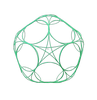
The Dolphin
The Dolphin uses the Pelelkan armature and is characterised by having the hands joined together while performing Penters with a bending of the wrists and elbows during the movement. It is the flowing nature of the arms which determine this style which is distinct from the straight arms of the Beacon (Celestial Dolphin!), and produce the feeling of swimming like a dolphin
Dolphin Penters
Hands pressed together in an isometric exercise way drawing Eikosakirkos Penters with arms out in front using strength, strongly centred at pelvis linked to soles of feet in a triangle of inward tension, while moving forward and backward by stepping synchronised with the Penter. For the pelvis to be synchronised with the hands Penters, it also does a Penter opposite to it, either with the pelvis kept still (with inner muscular Penter being drawn), or with large pelvic movement or stepping the Penter.
The hands press together mostly at the heel as elbows flex and extend transferring the muscular activity to the pectorals. The inner core gets a good workout as it resists the movement of the torso.
The clam-nosed Dolphin Dodekakirkos Penter
Clam-nosed Dolphins have the hands with the fingers interlocked, producing a weighted hand grasp that cannot be broken apart.
Dodekakirkos Penter with the arms swinging like a Viking berserker wielding an axe!! That's what it feels like anyway! I am sure this must be a long lost 2 handed weapon technique.
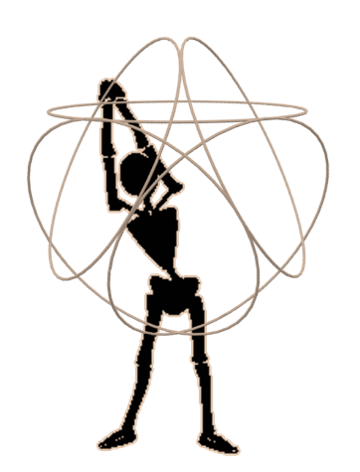
Crouching Dolphin
Hands grasping one another, on low circle the yoked arms prevent the movement from continuing and bounce back up from the elasticity on the lowest part of the movement synchronous with full knee bend.
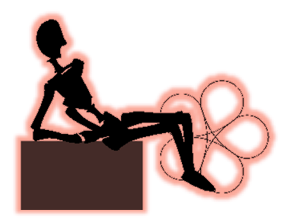
Dolphin Tails
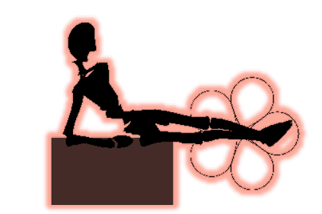
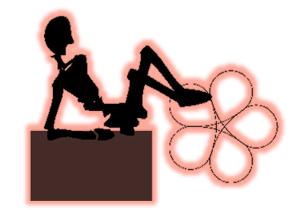
Dolphin Tails use the feet together instead of the hands and necessarily require you to be seated or lying down. Below shows it performed in Whyzed. A good abdomenal workout!
~
The clam-nosed Dolphin Tortoiseshell
~