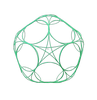
Pentegraph Kremastoi
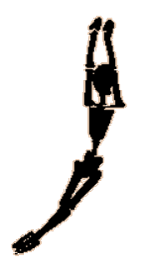 Hanging by one arm or both, letting the body relax and be taken by gravity to where it will rest. The feet are allowed to drag on the floor and give reassurance and potential support.
The whole body can produce a wave motion while in this position, with the feet rolling over the toes from supination to pronation, and the body producing a wave from full hang to standing. This is a great exercise for the spine and shoulders.
Hanging (kremastoi in Greek) stretches the fabric of the body along the natural myofascial meridians which are peculiar to our species because of our heritage from swinging in trees due to our evolution from apes. Our shoulder joints and their range of movement have evolved due to these hanging practices, and their natural form is maintained and restored by repeating these positions. These are natural positions for our species, but rarely performed.
One handed Kremastoi moving through Penters and Dykirkoi, should produce the most amazingly strong shoulders and arms.
~
Kremastoi Penters
The pelvis can trace the path of a Penter from this position too, with the feet on the floor making the shoulder joint change its aspect from hanging to pushing, which strengthens this otherwise weak range of movement. Or just leaning against a wall while performing it, will produce the necessary exercise, but to a lesser extent.

The Penter will need to be done in the Zedex with the pelvis moving from side to side and forward and backward.
Kremastoi Mirror
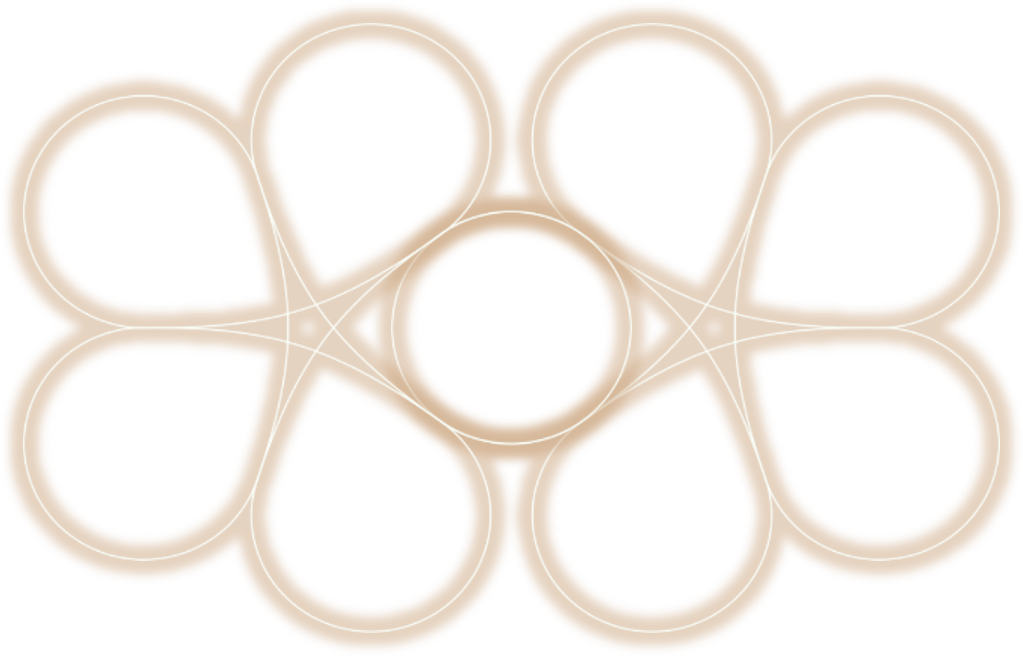
This can be extended into a Mirror Kremastoi - a pendent mirror with a pelvic pivot. The Mesokirkos (circle in the middle) can be isolated and exaggerated in repitition to produce a circular swinging, utilizing the full range of motion available to the fabric of the body, as it is effectively pulled taut in every direction with the centripetal force.
~