The Dragonfly
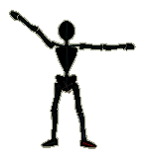
The Dragonfly is the name applied to a particular performance using two Penters. It is characterised by the arms performing asynchronously, inspired by the insect which has the ability to operate all four of its wings independently and can even fly backwards. It is the most ubiquitous of the movements.
The asynchronicity is produced by one arm being a circle or more behind the other during the simultaneous drawing of the Penters in the Gate. The right hand progressing in a counter-clockwise (sinistral) direction around the Penter, the left hand going clockwise (dextral).
Dragonfly +1: The basic Dragonfly with the right side one circle ahead of the left.
Dragonfly -1: The basic Dragonfly but with the left side going first as used in the Mirrorway and sinistral Orb traversals.
Dragonfly 0: The Hawk with arms performing together, and therefore not strictly Dragonfly at all.
There are also other possibilities but I have not pursued all these configurations yet, other than the +5/-5, which is used in the Mirrorway and produces the Exwhykirkos which is a fundamental hub from which all the patterns can be pursued. All the different possible permutations and transpositions can be explored in Penter Studio.
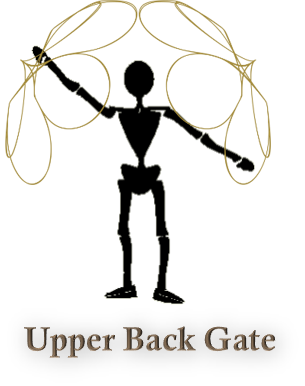
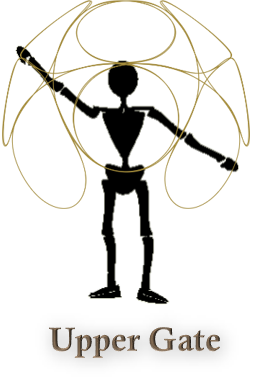
The Dragonfly is used in the performance of the Dykirkos, the Gate, and the Tortoiseshell. Also the Loom, Mirror and Closed Gate in Megak and the Advanced techniques.
The above shows the Dykirkos in the 'Dragonfly on the Gate', the 'Dragonfly in the Mirror' and the 'Dragonfly Looming'.
It is not only the arms which can perform these patterns, but any of the body parts below and in any combination.
- Fingers
- Hands
- Arms
- Shoulders
- Legs
- Knees
- Feet
The Dragonfly movement itself can have a twisting motion through body and legs as well as a wave. It can lend itself to a relaxed flowing movement which allows the asynchronicity to drift, giving the arms a single moment force of augmentation during part of the procedure.
The size of the circles is relative to the size of an orb with a radius that of the length of the performing limb. For a performance by the hands, the fulcrum (centre of the orb), would be the wrist and the radius of the orb would be the hands length from wrist to fingertips. With the ratio between orb diameter and circle diameter being 100:35, the size of circles for the hands would be 0.7 of the length of the hand.
~
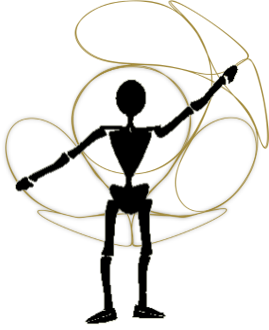
The Dragonfly Gates
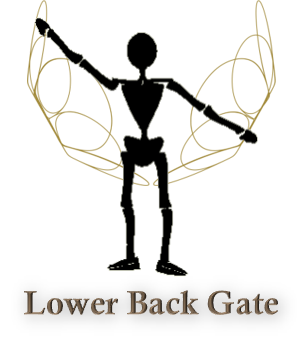
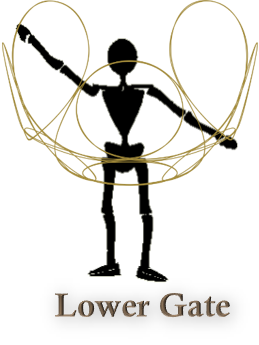
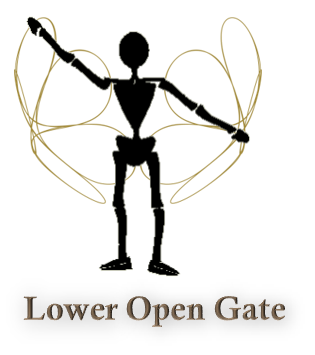
~
Opening the Gate
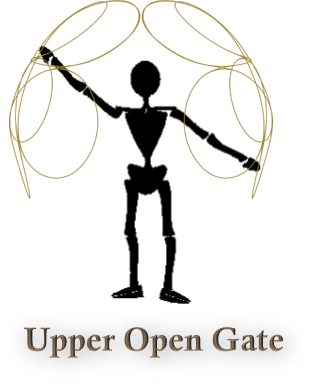
The transition between the Gate and the Open Gate. This will change the Dragonfly type +1 or -1, unless one side speeds up or slows down to allow synchronicity. Maintaining the same type of Dragonfly after the transition is not always required, and free flowing Dragonfly types are a whole dance in themselves.
~
~
Crouching Dragonfly
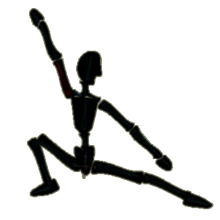
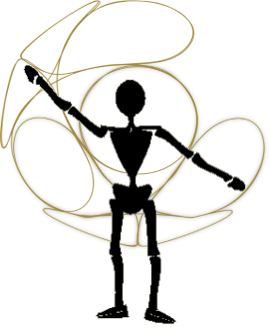
Because of the restricted movement that is possible while in the crouched position, it is the Looming Dragonfly which is best suited to this performance or just the Dykirkos. The Crouching Dragonfly is part of the Ensemble.
~
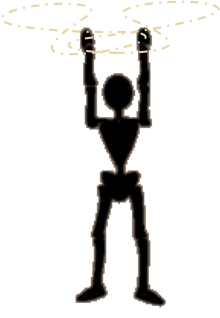
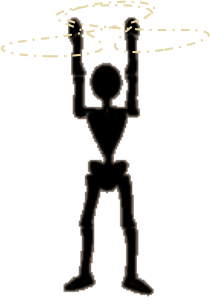
Zedex Dykirkos
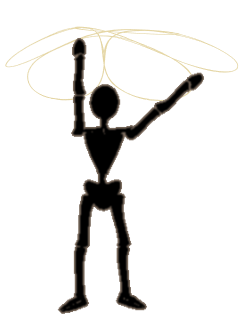
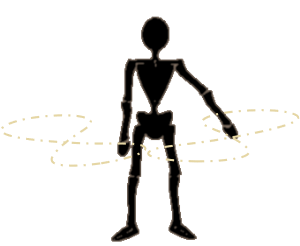
As the Pentegraph Orb has a Penter directly overhead, the performance of the Zedex Dragonfly will use the Dykirkos or Triakirkos extracted from the overhead Penter.
~
The Dragonflyaster
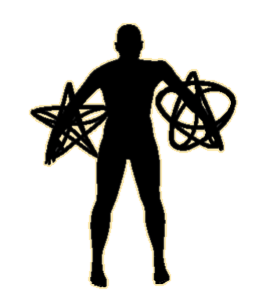
The Asters can be performed with varying size, out to the side or in front of the body. When performed in front of the body, one hand can be behind the other, half a circle behind or ahead, powering the front one. To overlap the Asters with the left hand half a circle behind the right and following it, is called the . The larger the Asters the slower the performance.